


Northern Lights - Issue 45 - November 2026
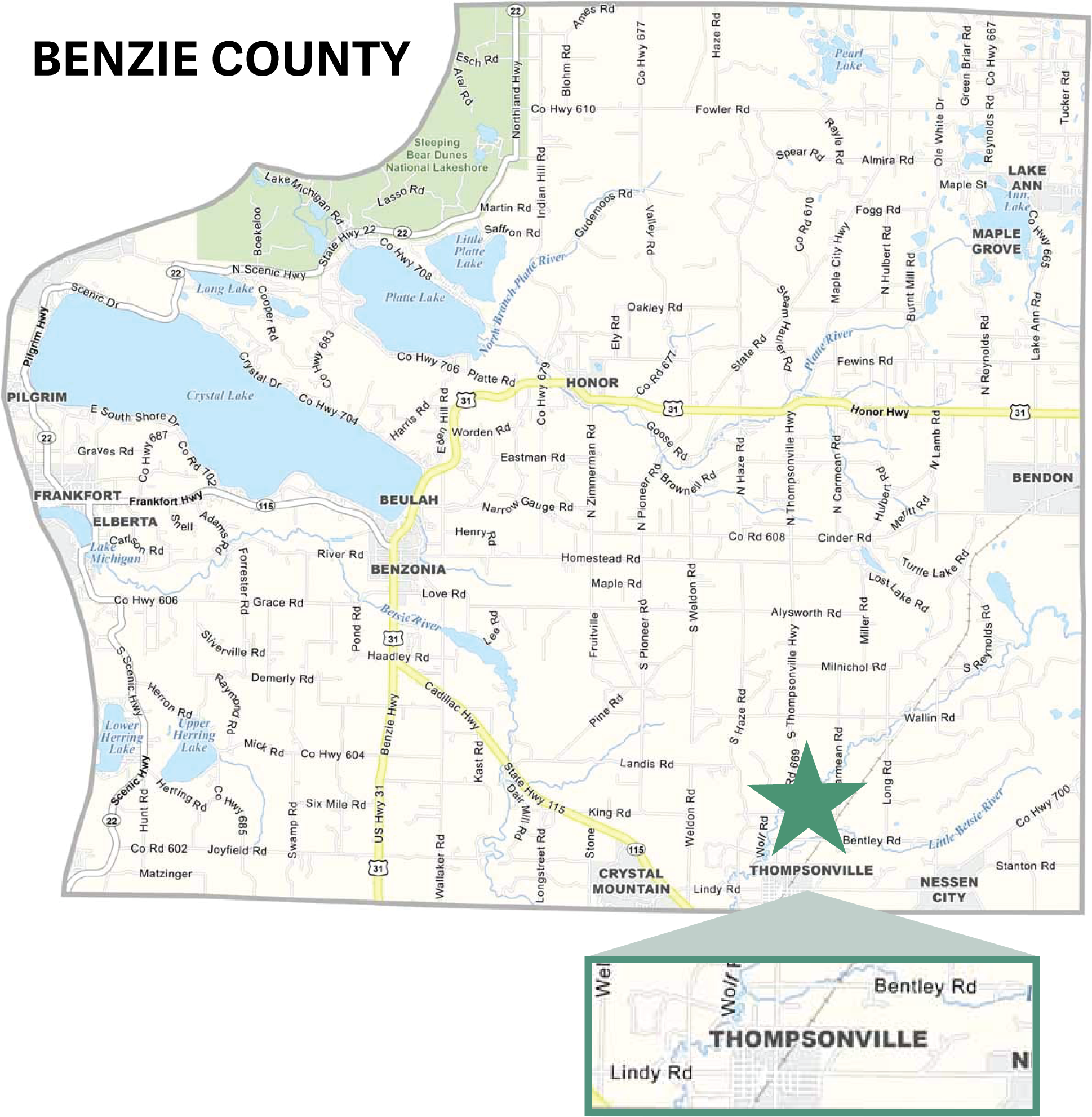
Thompsonville: A Hub for Shared Vision
by AMY LANE
A library that’s a community hub, expanding. A child care center serving kids, and more. Three new affordable homes and two on the way. And an unfolding recreational destination rooted in history and reaching toward the future.
They all spell promise in Benzie County’s Thompsonville, where nonprofits in the rural one-square-mile village are supporting community economic health and helping pave the way for growth.
Partnering with workforce development agency Northwest Michigan Works!, Lindstrom in 2024 housed an early childhood apprenticeship program that over two years enabled 11 staff members to earn child development associate credentials. This year came a new apprenticeship program for four additional staff members to pursue an associate’s degree in early childhood.
Of the 18 women employees including herself, 15 have gotten or are in the process of getting further education – important to Lindstrom even as she knows not all employees will stay. “It’s nice to have something that they can take with them…something that you can take out of this when you leave, that you can go and better yourself and your family,” she said. Five of her original seven employees remain with the center, and Lindstrom herself is pursuing a master’s degree in educational leadership.
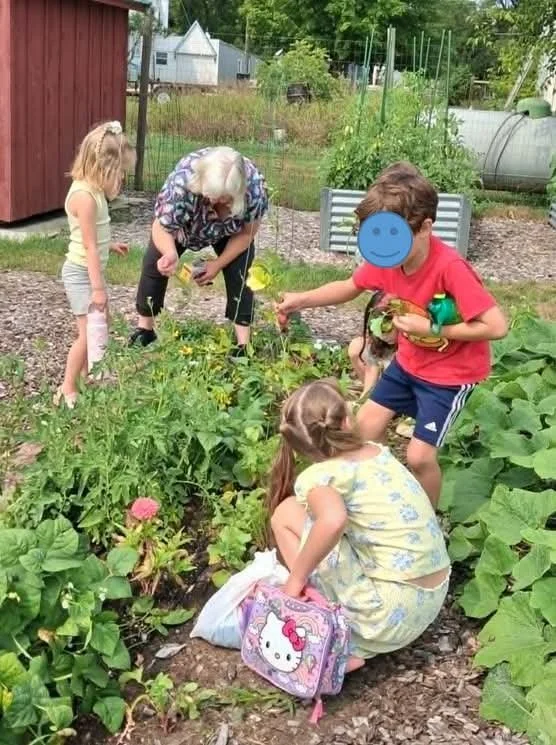
She wants families to have access to the resources they need and children to have opportunities – whether connecting with the library across the street, going on field trips, or growing vegetables at a community garden behind the township hall, from planting to harvest.
Lindstrom also organizes community events like an Easter egg hunt with thousands of eggs bought from donations and chairs a June festival featuring human service organizations and their representatives, entertainment and food. At Whistle Stop, there are Thanksgiving potlucks, gingerbread house-making nights and other offerings, including “a 24/7 self-service food pantry outside our door, where people can come and take what they need and leave what they can,” Lindstrom said.
“I grew up in (nearby) Copemish…now I feel I’m finally able to help the community, give back to those who supported me as a child,” she said.
The nonprofit center, which hasn’t raised tuition in its four years of operation, has become a fixture and asset, for families and working parents balancing raising children with jobs many times in other communities. “You need a daycare that’s open…the hours you need,” Lindstrom said, “or you’re going to have to find a new job, and that’s not what anyone wants to do.”
Care for Kids: Whistle Stop Learning Center
People like Ashley Lindstrom, who grew up in the area and started her Whistle Stop Learning Center to provide child care when there was none, are optimistic about the small town’s future.
“I like to think previously, Thompsonville was kind of the little engine that could but there wasn’t enough of an engine behind it to get it moving,” said Lindstrom, Whistle Stop director. “Now…I like to think that we’ve found our engine, and that there’s no way to go but up from here.”
And Venture North Funding & Development is watching, and ready.
“Thompsonville stands out for what the nonprofits are collectively doing and the effect of that on business and community growth,” said Tim Ervin, Venture North fund development and communications specialist. “Here is community helping itself. Venture North is here with resources ready and willing to support at the right time.”
Lindstrom’s Whistle Stop was born out of need she saw for quality local daycare, as she drove 70 miles a day to take her son to the nearest available center. Checking out a long-vacant building in the village, the then-elementary school teacher immediately visualized potential.
Months of extensive renovations later, Whistle Stop opened in October 2022 with seven staff members and 11 children – enrollment that has since grown to 60. The center serves children from birth through age 12, offering infant and preschool programs, Michigan’s Great Start Readiness Program, before- and after-school care and summer camp. But child development hasn’t been Lindstrom’s only focus.
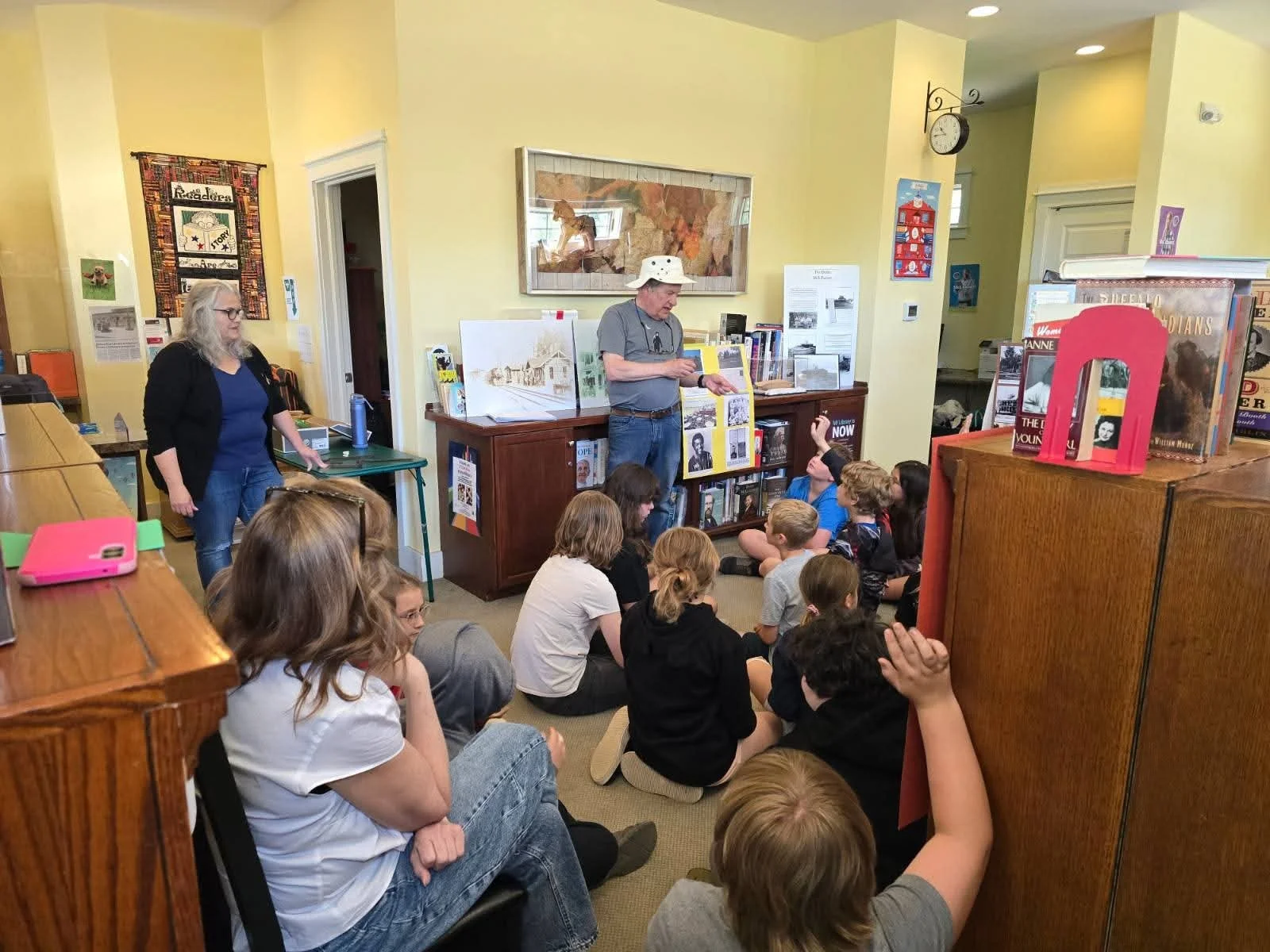
Though rich in great programming and resources, space is tight at The Betsie Valley District Library and they’re more than ready for their coming expansion.
Doubling a Hub for Learning: Betsie Valley District Library
Across the street from Whistle Stop, the Betsie Valley District Library has made its own stamp on the community and is now planning an expansion that will nearly double the library building’s size.
A place that’s more than a provider of books and materials, the library encourages children to develop an interest in reading and learning through services for children and parents and children together, offers fax and copying capabilities and provides free Internet service that’s accessible through four computers for patrons as well as two outside benches – a big asset in a village where many people don’t have Internet, said Sally Bobek, treasurer of the library board.
Internet use has grown substantially over the years, she said, with people “coming in to pay bills, to look up information on unemployment, kids do school activities…all kinds of things that you have to do online.”
An expansion survey about the library’s services, programs and resources found strong use of computer/Internet/technology services and book check-out, and pointed to interest in larger meeting space, dedicated children’s and homework/project areas, and other improvements.
The library’s present space is tight – a main room with books, a small room housing the computers, two bathrooms and a small kitchen that’s used for a conference room, Bobek said. “It’s cramped.”
For story hour, wheeled bookshelves in the main part have to be pushed out of the way to make room for the children. And “we don’t have adult activities in there, we just don’t have room,” she said.
Details of the new space are still being mapped out but there will be a larger open area and features to meet patrons’ needs, Bobek said. “I think people look at the library as sort of the hub of the community. You want to foster that…so people come in and use the library.”
The library is exploring options to fund the expansion’s estimated $400,000 cost; Venture North’s Ervin has been volunteering his services to support the library’s planning and development work.
Nice, Affordable Homes: Habitat for Humanity
Another building element in the community: Affordable housing.
Habitat for Humanity of Benzie County has just completed three new homes in the village, has two more under construction and is preparing to purchase four additional lots in 2027, said William Merry, executive director. An affiliate of Habitat for Humanity International, the nonprofit builds affordable, energy-efficient housing for low-income Benzie County families in need.
And there is no shortage of need. A 2023 housing needs assessment of the 10-county region by housing advocacy organization Housing North, found an overall housing gap of 1,508 units through 2027 in Benzie, with 1,294 of that being for-sale units. The assessment found Benzie home listings lack smaller, affordable units for first-time and middle-class homebuyers, and few homes available to county households earning less than $100,000.
Benzie Habitat currently serves families with incomes ranging from 60 percent ($51,720) to 80 percent ($68,960) of the Area Median Income for a family of three.
Merry said that while “there’s a need all over the county,” 13 of the last 20 Benzie homes that Habitat has built and sold have been in Thompsonville. In the village, there are inexpensive and available lots, including through the Benzie County Land Bank Authority, that work for Habitat to build houses, he said.
“We can buy the land there, we can build a house there, and make it affordable to low-income families,” Merry said.
Current homes are 1,176 square feet with three bedrooms, full bath, laundry room, living room and kitchen. The total development cost/sale price of the Benzie Habitat’s most recent home was $160,000; construction is financed by donations from individuals, businesses, churches, charitable giving organizations, grants, event proceeds, an annual campaign and net income from home sales.
Benzie Habitat helps partner families find affordable mortgages and owners are required to put 200 hours of “sweat equity” into the construction of their home. They work alongside local contractors and volunteers; in Thompsonville that’s included employees from nearby Crystal Mountain resort and Honor Bank.
Of Benzie Habitat’s Thompsonville homes, many owners are commuting to jobs around the county, Merry said. The housing is a boost to both employers and employees; one new owner is a staff member at Whistle Stop Learning Center, bringing benefit in the community full-circle.
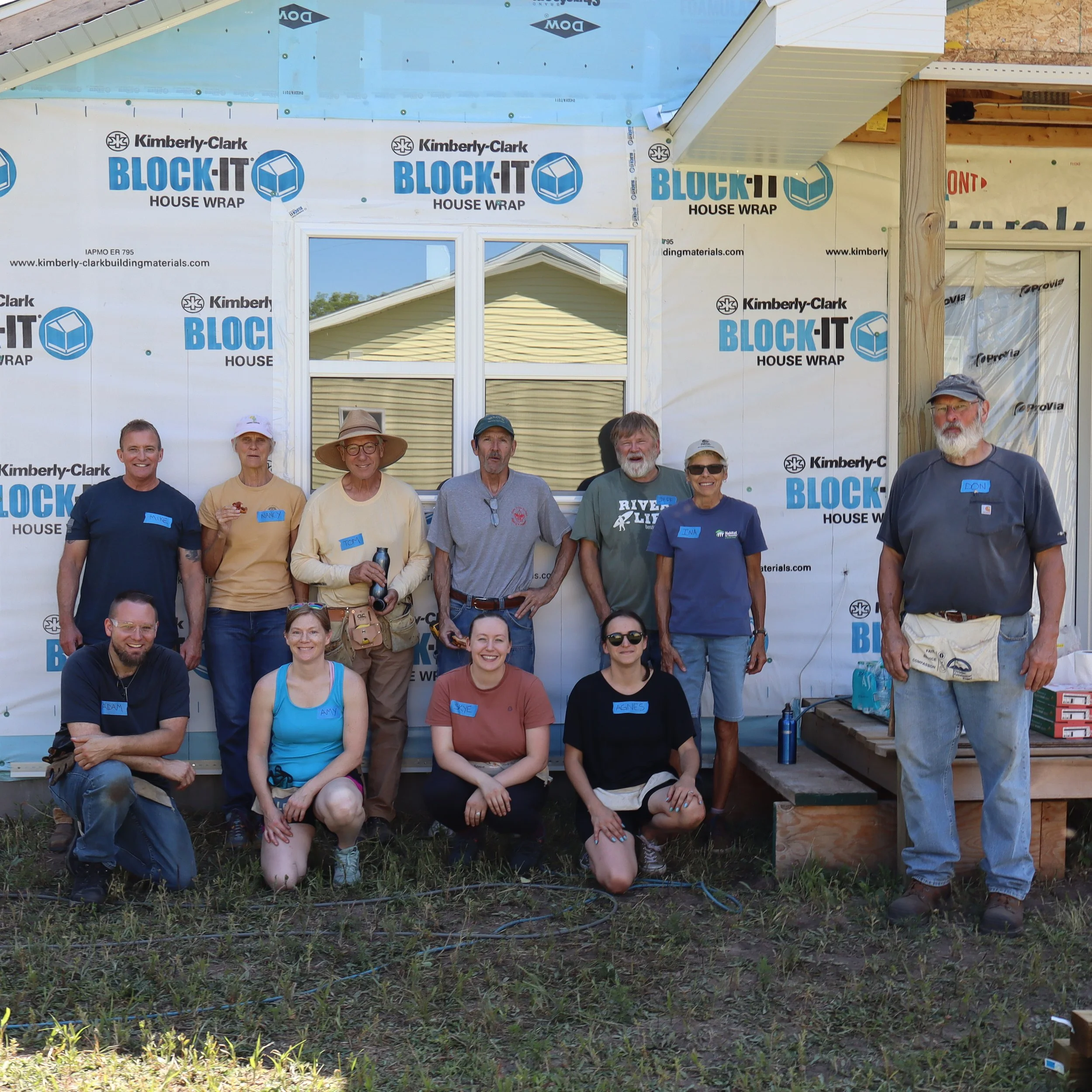
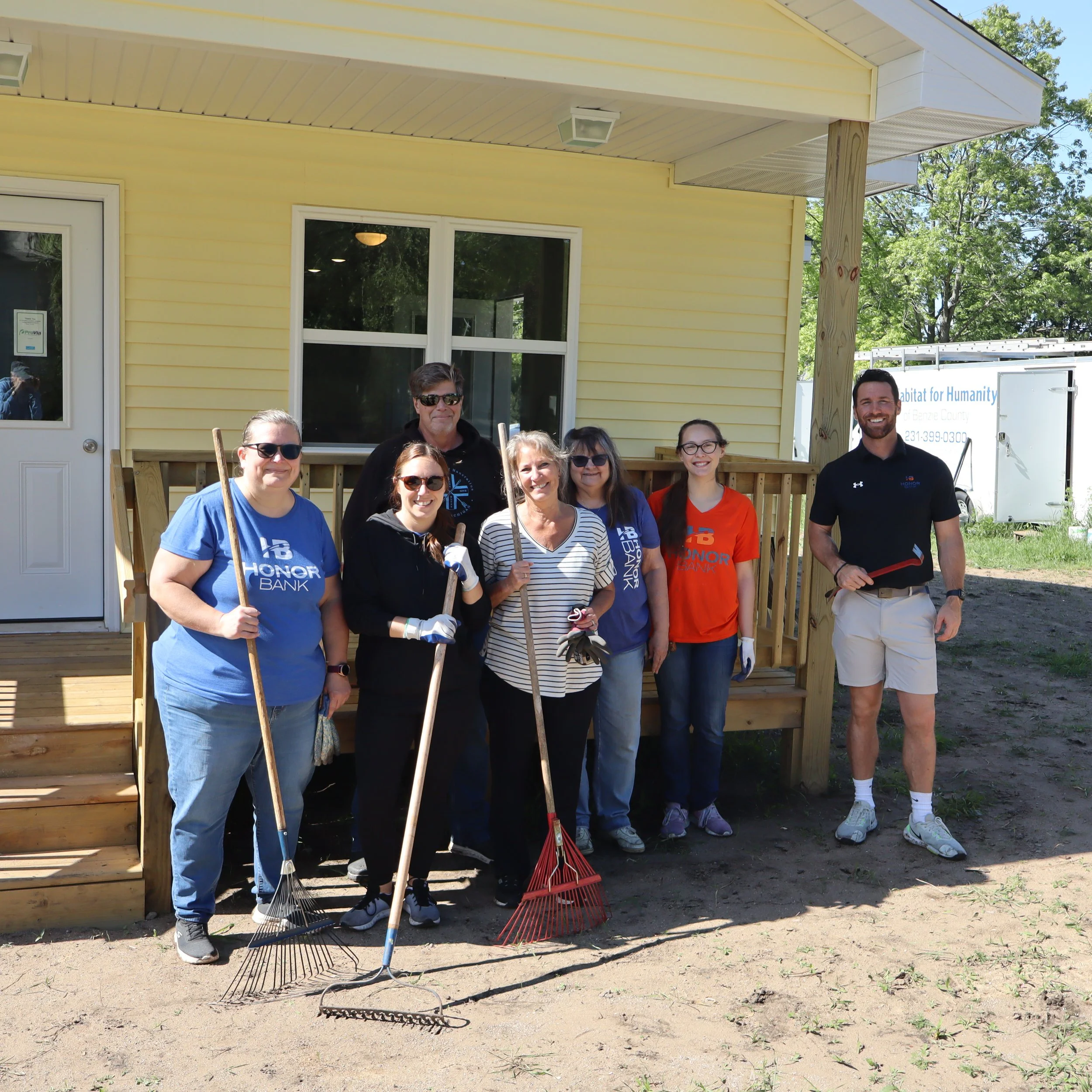
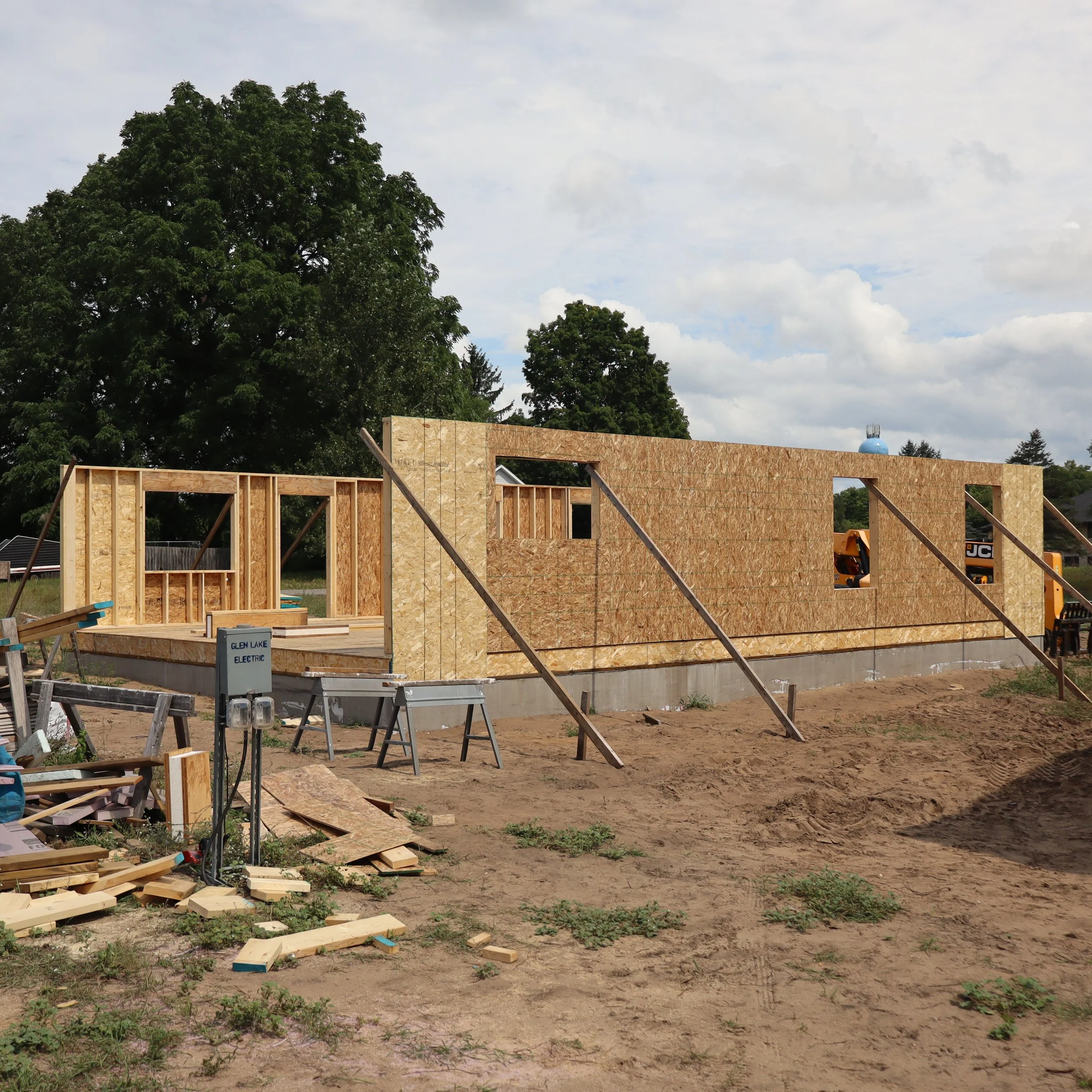

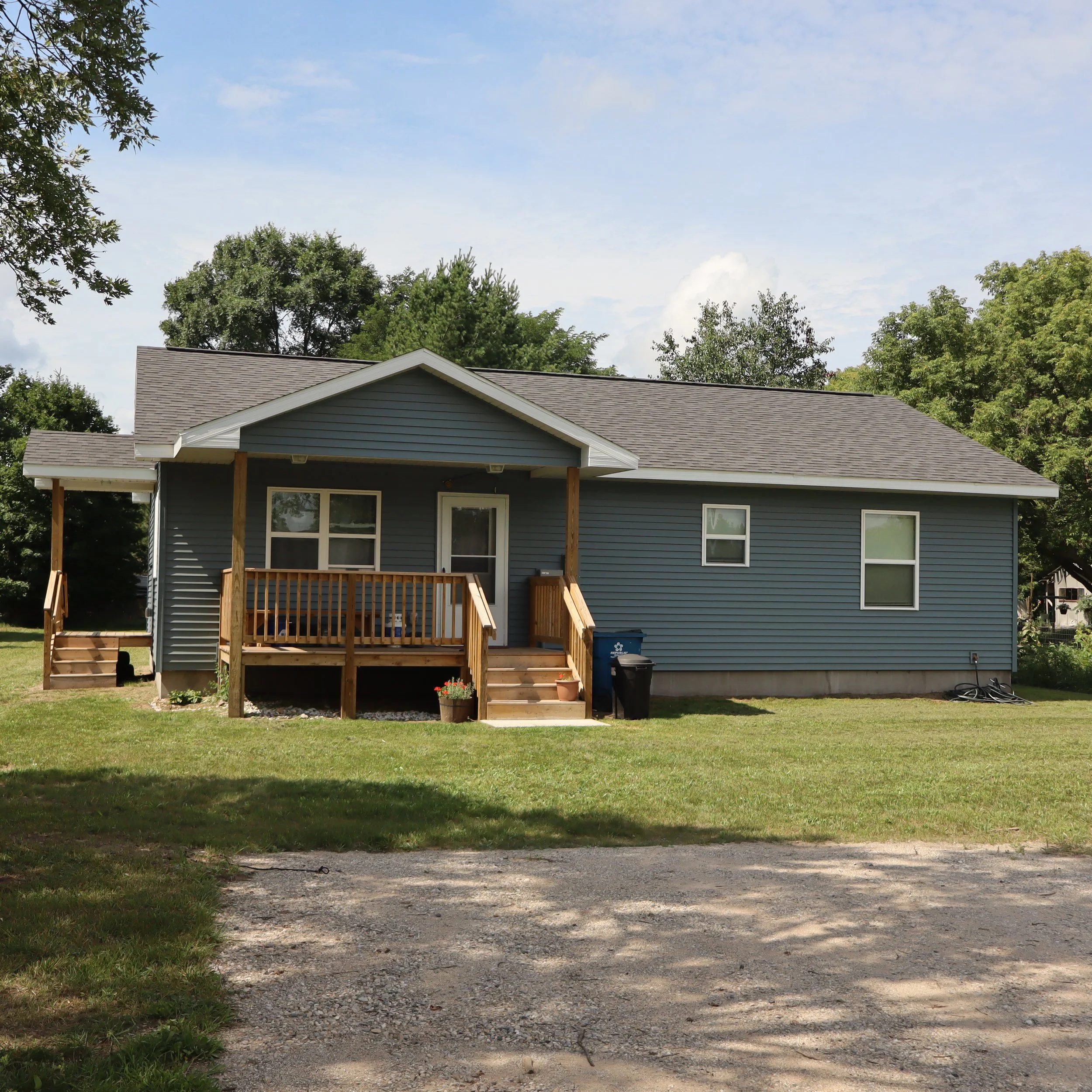
Volunteers, like those from Crystal Mountain (far left, top) and Honor Bank (far left, bottom), “provide the solid foundation for Habitat’s work in Benzie County.”
Expertly supervised framing and roofing (top center, right) ensure a solid, safe house (left), ready for another family to call “home”.
“I like to think previously, Thompsonville was kind of the little engine that could but there wasn’t enough of an engine behind it to get it moving…Now…I like to think that we’ve found our engine, and that there’s no way to go but up from here.”
- Ashley Lindstrom, Director, Whistle Stop Learning Center
A Historic Junction and Trail: Thompsonville Area Revitalization Project
Venture North’s Ervin said the combined Thompsonville efforts of Benzie Habitat and other nonprofits are “moving community forward.” And that includes the Thompsonville Area Revitalization Project or TARP, an organization with a mission to undertake projects that improve the quality of life for those in the greater Thompsonville area.
Its initial centerpiece: Creating, on the Betsie Valley Trail running through the town, a trailhead near a historic site where two major rail lines once crossed and propelled growth of a then-robust village.
Charles Kraus, a retired urologist and historian, leads TARP. Moving from Ohio to Crystal Mountain in 2016, he began researching Thompsonville and the Thompsonville Junction, where the two railroads intersected and linked Frankfort to Toledo and the Traverse City area to Chicago, offering passenger and freight service for decades before dying out.
“I became very interested in the history of Thompsonville and its growth and how it eventually faded away into relative obscurity. I wondered why nobody had done due diligence to get a historical marker here. It led to a lot of discussions with people who lived here in Crystal Mountain and the area, about what could we do to improve the quality of life for the people of Thompsonville,” Kraus said.
He undertook a successful effort to have a state of Michigan historical marker installed for the Thompsonville Junction. The marker now stands by the first phase of TARP’s undertaking: A newly constructed visitor’s pavilion with four Americans with Disabilities Act-compliant bathrooms including two with showers, an outside wall fountain/bottle filler and a picnic area. Designed to look like a depot, the building will include exhibiting space for the Benzie Area Historical Museum. The Betsie Valley Trail bicycle trailhead will include a bicycle parking and repair area with upright fountain, bottle filler and pet bowl.
At an adjacent campground is the second phase of TARP’s project: Refurbishment of the existing 10 campsites to include electricity, sewer connections, potable water and charcoal grills at each site, with two campsites designed to be ADA compliant.
Leveraging Thompsonville’s rail history, the project aims to create aims to create a vibrant hub for recreation and community growth -- a destination to attract tourists, bicyclists, campers and others, and even new businesses and residents, contributing to Thompsonville’s revitalization.
“I see it as a means of attracting people to the community,” said Kraus, president of TARP’s board of directors. “The trailhead project is a volunteer-based effort to bring about transformational change in the Thompsonville area community. By focusing on the rich rail history of the village, we hope to transform that legacy into a positive force for community improvement.”
It’s nearing a $1.4 million effort, supported with funds from many, including foundations and charitable organizations, state and federal government, residents and private donors in and outside Michigan.
“It’s been remarkable. All have been very generous,” Kraus said.
But the pavilion and campground aren’t the only marks TARP is making on the town.
The organization plants and cares for 26 landscaping squares in the heart of the village and flower boxes at the township hall, and purchased an interpretive historical sign that was placed in front of one of the town’s few remaining historical buildings. Kraus gives historical tours of the village for the Benzie museum, owned by the Benzie Area Historical Society of which he’s a board member, and he’s involved with the township’s community garden frequented by Lindstrom’s Whistle Stop children and others.
Kraus said he sees Thompsonville moving forward. “If you get a vision and you grasp that vision and work on it, I think you can make things happen,” he said.
Many give kudos to Kraus and TARP’s work. Said the library’s Bobek: “Chuck has been instrumental in waking up downtown Thompsonville. I can see the seeds of Thompsonville growing. I think that is another thing that pushed us with the expansion of the library, this town is growing, and we need to be at the forefront.”
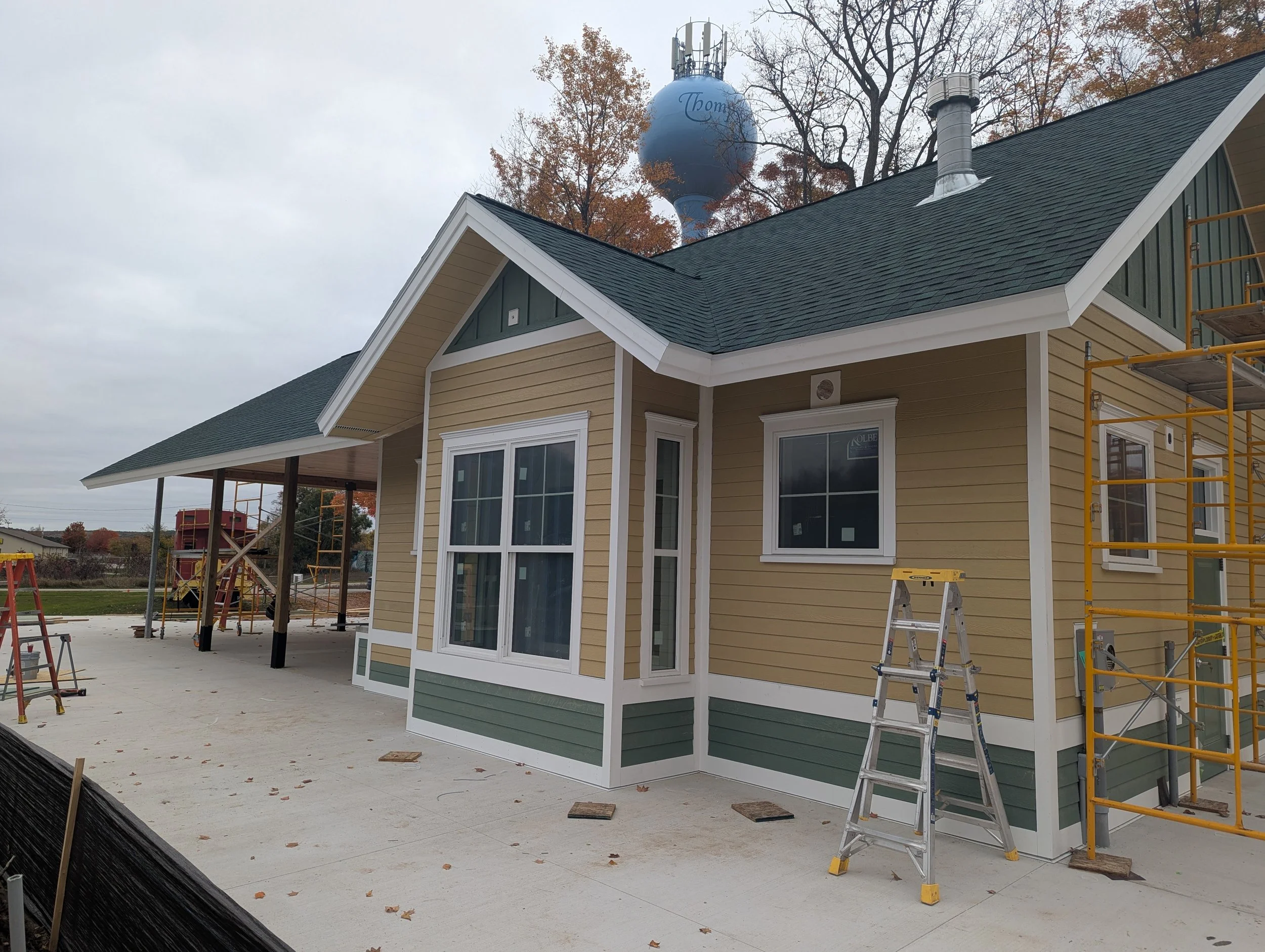
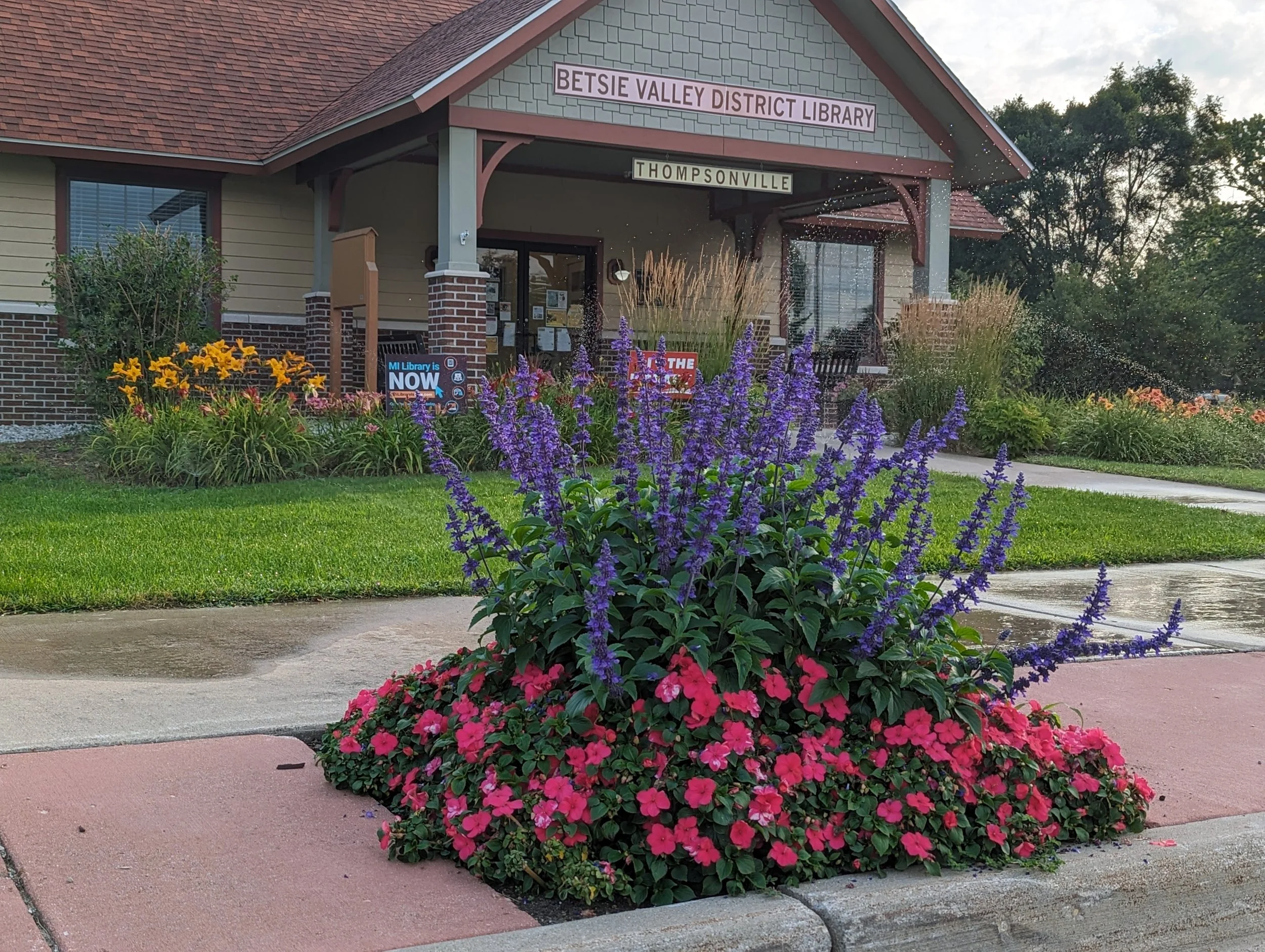
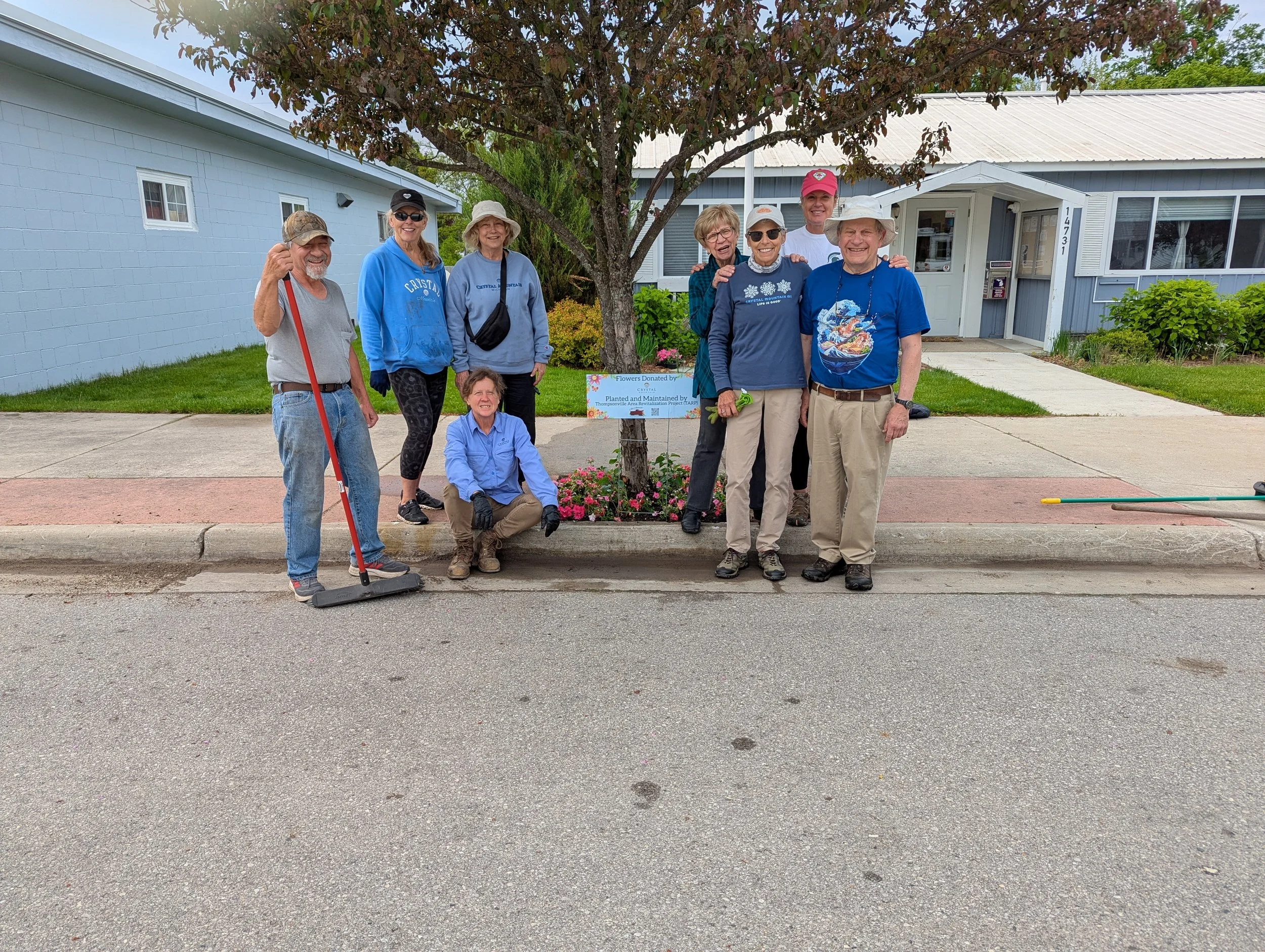
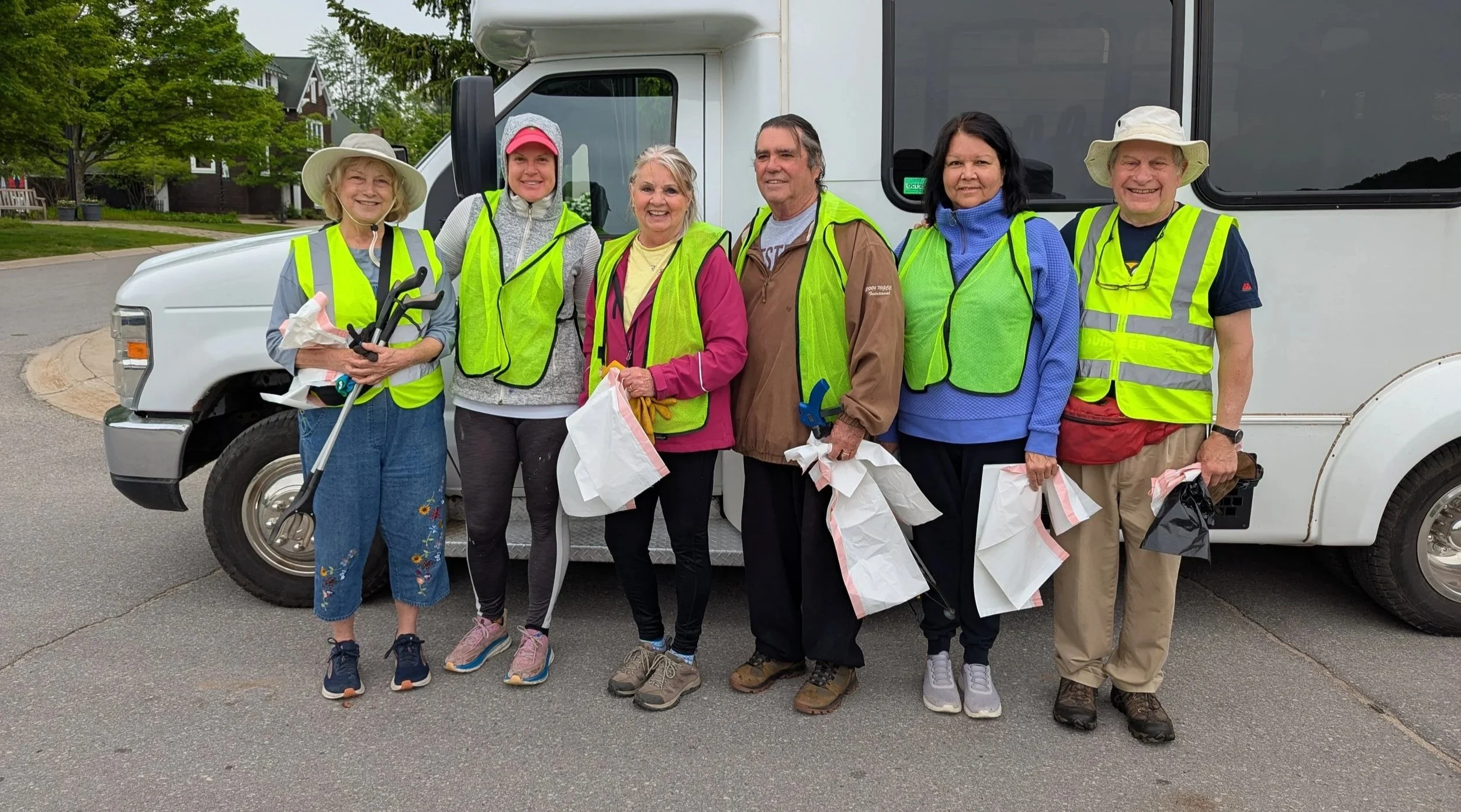
Top: the newly constructed visitor’s pavilion; Some lovely sidewalk planting/beatification – one of 26 landscaping squares – installed in front of the library and maintained by generous TARP volunteers; Some more volunteers tasked with helping keep the area clean.
An Energizing Corporate Hand: Crystal Mountain Resort
Little things can make a big difference, said Chris MacInnes, president and an owner of Crystal Mountain. As pieces come together, they can build energy and community support to take on bigger projects, propelling transformation, she said.
“The impact of nonprofit investment in housing, day care, trailhead and library, is a catalyst that supports community economic health. And a grassroots example of the whole being greater than the sum of its parts.”
The 1,500-acre resort, which includes lodging, dining, skiing, golf, conference center, real estate options and other features, is a neighbor and supporter of the Thompsonville efforts. Several employee residents at Crystal have long been involved in Benzie Habitat, MacInnes said, and Crystal volunteers helped the Habitat crew install siding, soffit and facia and prepare interior walls for painting on the new Habitat homes.
MacInnes said Crystal residents have also lent time, skills and knowledge to the local community in various ways, “creating trusted connections between their homes on the Crystal Mountain campus and those in the neighborhood.”
“I think there’s this capacity piece because of the quality of life of the Crystal campus, that we have attracted. People that want to give back, and part of that give-back is to the neighborhood, for the benefit of the neighborhood and not for their personal benefit,” she said.
“As a for-profit company, Crystal’s job is to be a good neighbor who can help connect the pieces and share resources that though often modest, can make a big difference.”
And there can be mutual gains. The TARP projects, for example, are creating “a positive sense of place,” providing not only recreational opportunities that will become widely recognized, but an authentic visitor experience in which Crystal guests could partake, MacInnes said. “Ride your bike into Thompsonville, hop on the trail, understand the history…that adds value to our portfolio, our collection” of what you do as a visitor to Crystal Mountain, she said.
And “you could also say, this is such a cool place, I want to live here…in the neighborhood. Maybe I want to buy a vacation home, maybe even make my primary home. It is a funnel.”
MacInnes said Crystal “has been a strong advocate” of the TARP projects and has encouraged and lent support, including helping the organization navigate issues when needed and make contacts with local, regional and state government.
Crystal, which employs as many as 750 people in the winter and about 550 in the summer and draws from a 25- to 30-mile radius, also benefits from Whistle Stop Learning Center. A number of employees have taken their children there; “the proximity with Crystal Mountain, with a really safe place,” is fantastic, MacInnes said.
The library is another important asset and its expansion “will only build community economic value,” she said.
Stimulating Investment with Investment: Working in Tandem
“As you create more energy, it becomes exponential,” MacInnes said. “Investment stimulates investment, so as people see investment is happening…people understand, there’s opportunities for reinvestment.”
When businesses are ready, Venture North, as a Community Development Financial Institution that assists with small business needs, can offer support, Ervin said. The CDFI offers low-cost lending and no-cost technical assistance, the latter including “people with the skills and the capacities to basically sit down with any business of any size and show them how to manage aspects of operation,” he said.
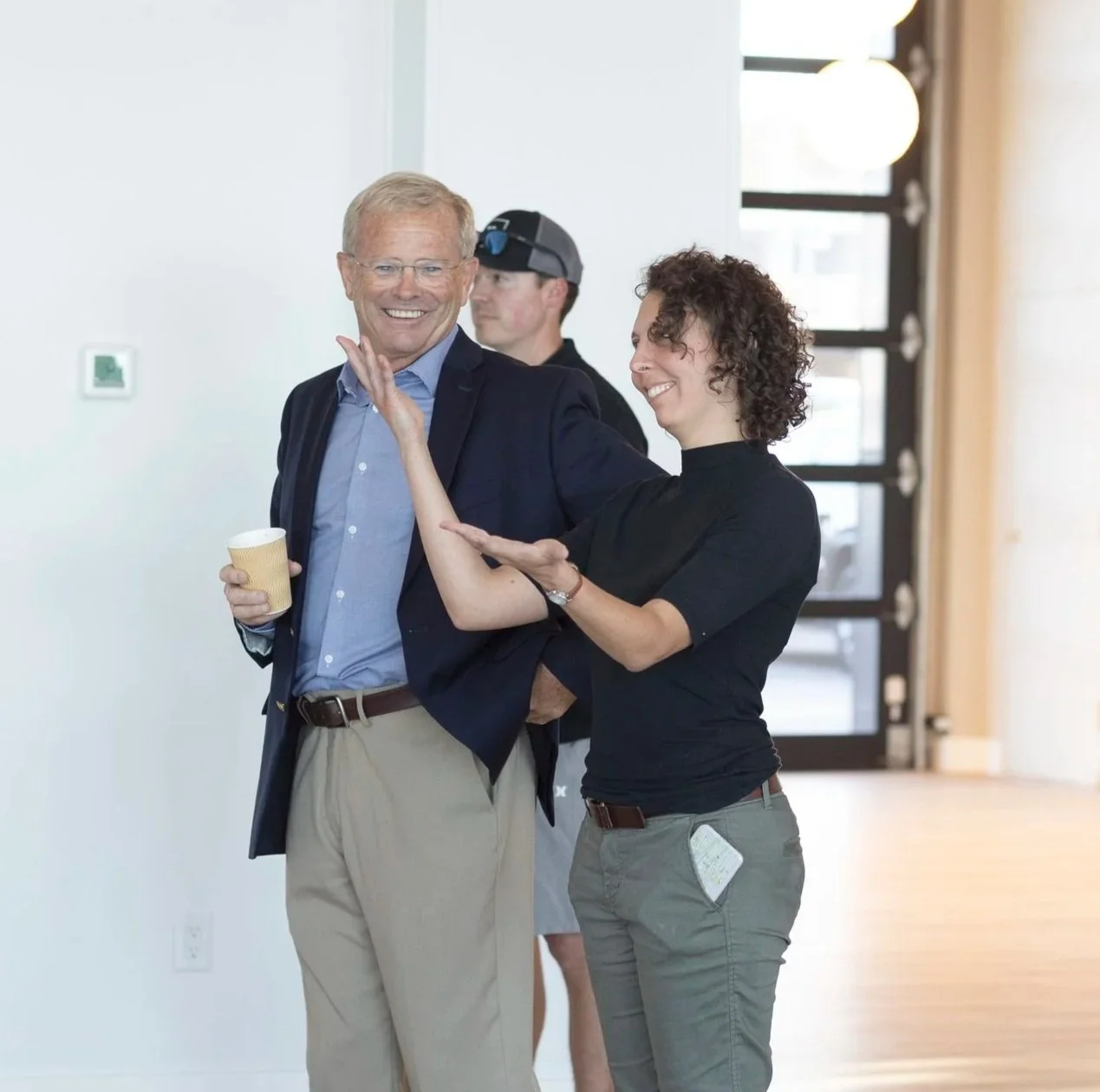
Tim Ervin seen here with northern Michigan entrepreneur, psychotherapist and Venture North client, Jessica Horness.
Help for Communities and Businesses to Prosper: Venture North
“People need to know if they are looking to grow their business, if they are looking for a new location, take on new products or simply need working capital for their business, we should get in touch, because those are the businesses that we want to serve,” Ervin said.
Supporting startups, “we can help them develop a business plan, and create financial projections. Even if you’re a really small business, you can make good use of that kind of help.”
Ervin said in Thompsonville, he sees the nonprofits “working in tandem…for sustainability and viability of hometown. Businesses will follow and we want to be there to be part of the economic prosperity segment of building that community.”
Amy Lane is a veteran Michigan business reporter whose background includes work with Crain Communications Inc., Crain’s Detroit Business and serving as Capitol correspondent for nearly 25 years. Now a freelance reporter and journalist, Lane’s work has appeared in many publications including Traverse City Business News.
